How to Choose the Right Buggy for Dubai's Desert Terrain
Understanding Dubai's Unique Desert Conditions
Dubai's desert landscape offers a thrilling playground for off-road enthusiasts, but it also presents specific challenges that make choosing the right buggy critical. The sand dunes here vary from soft, powdery patches to compact, hard-packed ridges, and the climate demands equipment that can handle extreme heat and fine, abrasive sand. A dune buggy that performs well on rocky trails elsewhere might struggle here. Before you start comparing models, it helps to know what you are up against: steep dune faces, sudden drop-offs, and the risk of getting stuck if your vehicle lacks the right power or traction.
With so many options available, from single-seater racers to two-seater touring buggies, the decision can feel overwhelming. The key is to match the buggy's specifications to the type of riding you plan to do. A casual rider exploring marked trails has different needs than someone aiming to crest the tallest dunes. This guide walks through the main factors to consider, from engine type and safety gear to whether a guided tour makes sense for your skill level.
Engine Power and Type
The engine is the heart of any off-road vehicle, and in Dubai's sand, you need sufficient power to maintain momentum. A buggy with a smaller engine may struggle to climb soft dunes, while an overly powerful one can be difficult to control if you are not experienced. Most recreational buggies use either petrol or diesel engines. Petrol engines tend to be lighter and rev higher, which helps in loose sand where you need to keep the wheels spinning. Diesel engines offer more torque at low speeds, which can be useful for crawling over rough terrain, but they add weight that might cause you to sink in softer patches.
When comparing models, look at horsepower and torque ratings in relation to the buggy's weight. A good rule of thumb is that a higher power-to-weight ratio gives you better performance on dunes. However, raw power is not everything. The engine's cooling system matters just as much in the desert heat. Air-cooled engines are common and simpler, but liquid-cooled systems handle sustained high loads better, reducing the risk of overheating during long rides. If you plan to ride for extended periods, especially in summer, a liquid-cooled engine can save you from frustrating breakdowns.
Seating Configuration: Single-Seater vs. Two-Seater
Your choice between a single-seater and a two-seater buggy depends largely on whether you will ride alone or with a passenger. Single-seater buggies are typically lighter and more agile, making them ideal for solo riders who want to tackle aggressive dunes or race on open stretches. They also tend to have a lower center of gravity, which improves stability when cornering at speed. On the downside, you lose the ability to share the experience with someone else, and you carry all the gear yourself.
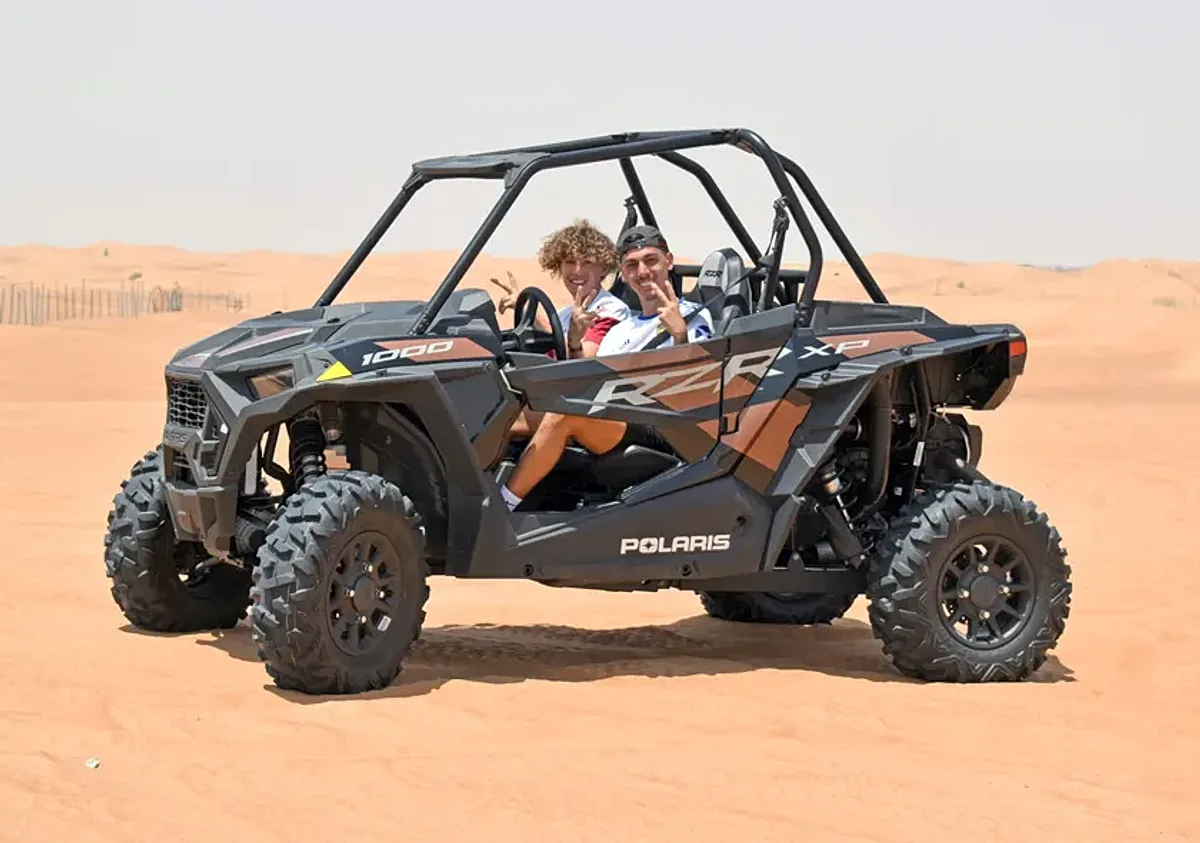
Two-seater buggies offer versatility. They let you bring a friend or family member, which can make the outing more social and safer if you are new to the terrain. The extra seat means more weight, but many two-seaters are designed with larger engines to compensate. If you plan to use the buggy for guided tours or extended exploration, a two-seater gives you storage space for water, snacks, and recovery equipment. Just be aware that the added weight can make the buggy feel less responsive on steep dunes, so test the handling before committing.
Safety Features and Gear
Desert driving carries inherent risks, and a well-equipped buggy reduces those risks significantly. Start with the basics: a sturdy roll cage that meets recognized safety standards, proper seat belts or harnesses, and a reliable braking system. Some buggies come with a kill switch that shuts off the engine if the driver is ejected, which is a smart feature for solo riders. Beyond the vehicle itself, you need personal protective equipment. A safety helmet is non-negotiable, as a rollover can happen even on moderate slopes. Goggles protect your eyes from flying sand, which can impair vision and cause irritation. Gloves and long sleeves help prevent burns from hot surfaces and reduce sun exposure.
It is also worth checking whether the buggy has a fire extinguisher mounted within easy reach. Engines in sandy environments can overheat, and a small fire can escalate quickly. If you are renting a buggy, inspect these items before heading out. A reputable operator will have them in good condition. For those buying their own vehicle, investing in quality safety gear is as important as the buggy itself.
Terrain Compatibility and Tire Choice
The type of tires on a buggy dramatically affects performance in sand. Standard off-road tires with deep treads work well on mud or gravel, but they can dig into soft sand and cause the vehicle to bog down. For Dubai's dunes, look for tires designed specifically for sand, often called "paddle tires" or "sand tires." These have wider, shallower treads that provide flotation rather than digging. Some buggies come with adjustable tire pressure systems, allowing you to lower pressure for better grip on loose sand and raise it for harder-packed trails.
Another factor is the buggy's suspension. Long-travel suspension helps absorb the shock of cresting dunes and landing after small jumps, keeping the wheels in contact with the ground for better control. A buggy with limited suspension travel will feel harsh on uneven terrain and can lead to fatigue on longer rides. If you plan to ride on mixed terrain that includes rocky sections alongside dunes, look for a model with adjustable suspension settings so you can tune the ride to the conditions.
Guided Tours vs. Independent Riding
For newcomers to desert off-roading, joining a guided tour can be a smart way to learn the terrain without the pressure of navigating alone. Tours usually provide the buggy, safety gear, and a leader who knows the safest routes and can help if someone gets stuck. This option also allows you to try different buggy models before deciding which one suits you. Many tour operators use well-maintained vehicles with features like roll cages and harnesses already fitted, so you get a safe introduction to the sport.
If you have experience and prefer to explore on your own, you need a buggy that you trust completely. Independent riding demands self-sufficiency: you carry your own tools, water, and recovery gear, and you must know how to read the dunes to avoid dangerous areas. It is also essential to inform someone of your route and expected return time. For those who plan to ride frequently, owning a buggy tailored to your preferences becomes worthwhile, and resources like safaridesertdubai.org can offer helpful insights into local conditions and recommended models.
Budget and Long-Term Considerations
While prices vary widely, the focus should be on value rather than the lowest upfront cost. A cheaper buggy might save money initially but could require frequent repairs or lack the durability to handle the abrasive sand. Look for models with good reputations for reliability and available spare parts. Aluminum frames resist corrosion better than steel in sandy, humid conditions, and stainless steel fasteners prevent rust. If you buy new, check the warranty and what it covers. If you buy used, inspect the frame for cracks, the engine for leaks, and the tires for uneven wear.
Operating costs also add up. Fuel consumption, oil changes, and replacement parts like belts or tires should factor into your decision. A buggy that is easy to service yourself can save money over time. For those who prefer to rent occasionally rather than own, the same considerations apply: choose a rental provider whose fleet is well-maintained and matched to the terrain you intend to ride. Reading reviews and asking other riders for recommendations can steer you toward trustworthy operators.
Final Practical Checks Before You Ride
Once you have narrowed down your options, take the buggy for a test drive in conditions similar to what you will face. Pay attention to how it handles when turning on soft sand, how quickly it accelerates up a slope, and how the brakes respond. Listen for unusual noises from the engine or suspension. Verify that all safety equipment is in place and functional. A pre-ride checklist that includes tire pressure, fluid levels, and securing loose items can prevent many common issues. For comprehensive guidance on preparing for desert adventures, safaridesertdubai.org provides useful information that complements your own research.
Choosing the right buggy for Dubai's desert is about balancing power, comfort, safety, and your own riding style. By focusing on these factors and testing your options, you can find a vehicle that makes every trip into the dunes both enjoyable and safe.